

walking-aids0630
walking-aids0630
What’s The Current Job Market For Rollator With Seat Professionals?
Understanding Rollators with Seats: A Comprehensive Guide
As the population ages, the requirement for mobility aids ends up being progressively important. Among these aids, the rollator with seat shines as a crucial choice for people who might require extra support while retaining their self-reliance. This short article explores the complexities of rollators with seats, clarifying their benefits, types, functionality, and reliability.
What Is a Rollator with Seat?
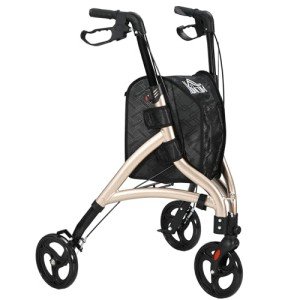
A rollator with seat is a mobility gadget created to help people with walking while providing a location to rest. Unlike standard walkers, rollators usually come geared up with four wheels, hand brakes, and a built-in seat. This mix permits users to keep mobility while also guaranteeing they can take breaks whenever required.
Secret Features of Rollators with Seats
- Four-Wheel Design: Rollators boast a stable four-wheel structure, enabling safe movement and ease of navigation.
- Hand Brakes: Equipped with hand brakes, rollators permit users to stop and lock the device safely when seated.
- Built-In Seat: Central to their style, the seat uses users a location to rest without requiring them to discover alternative seating.
- Lightweight Frame: Most rollators are made from lightweight products, making them portable and simple to maneuver.
- Adjustable Handles: Users can tailor the height of the handles, promoting ergonomic use and decreasing the danger of stress.
The Benefits of Using a Rollator with Seat
Rollators with seats offer numerous benefits, making them an ideal choice for many people. Some of the main benefits include:
- Enhanced Mobility: Rollators offer increased mobility for users, allowing them to stroll additional and more safely.
- Opportunity to Rest: The built-in seat cultivates independence by permitting users to rest when tired out without needing help.
- Safety Features: With brakes and stable assistance, rollators assist avoid falls and other accidents that may happen while walking.
- Improved Posture: Rollators motivate better walking posture due to their ergonomic design, promoting overall physical health.
- Storage Options: Many rollators come geared up with baskets or bags for bring individual items, enhancing benefit throughout trips.
Types of Rollators with Seats
There are numerous setups of rollators to accommodate the varied needs of users. These include:
| Type | Description |
|---|---|
| Standard Rollator | A fundamental model with 4 wheels, seat, and brakes. |
| Durable Rollator | Created for larger individuals with increased weight capacity. |
| Folding Rollator | Features a collapsible style for simple transport and storage. |
| Three-Wheel Rollator | Offers a more compact style for navigating tight spaces. |
| Rollator with a Shopping Bag | Consists of additional storage for grocery or individual items. |
Selecting the Right Rollator
When checking out the options available, people need to consider factors such as:
- Size and Weight Capacity: Ensure the rollator can easily support the user’s weight.
- Adjustability: Look for alternatives with adjustable deal with heights.
- Wheels: Larger wheels offer much better navigation over rough surface, while smaller sized wheels might be ideal for smooth surface areas.
- Storage Features: Evaluate the need for storage capabilities like baskets or trays.
Upkeep and Care
Correct maintenance of a rollator can enhance its life-span and use. Here are some important ideas for care:
- Regular Checks: Periodically check brakes, tires, and frames for wear and tear.
- Cleaning: Wipe down the frame and seat with a damp fabric; prevent extreme chemicals.
- Tire Maintenance: If the rollator has inflatable tires, guarantee they are effectively pumped up.
Frequently asked questions About Rollators with Seats
Q1: How do I determine for the ideal rollator?
A1: Stand up straight and step in between your wrist and the floor. The rollator deals with should adapt to this height for ergonomic use.
Q2: Can I use my rollator outdoors?
A2: Yes, rollators are designed for both indoor and outdoor use; nevertheless, some models are much better suited for rough surfaces than others.
Q3: Do I require a prescription to buy a rollator?
A3: Typically, a prescription is not needed to acquire a rollator, however consulting a doctor is recommended to ensure it’s the right choice for your needs.
Q4: How much do rollators with seats cost?
A4: Prices differ considerably depending upon the brand and functions, with standard models starting around ₤ 100 and more sophisticated types costing approximately ₤ 500 or more.
Q5: Are rollators safe?
A5: Yes, rollators are generally safe when used correctly. Users need to familiarize themselves with how to run the brakes and change the rollator to avoid accidents.
Rollators with seats function as important tools for people seeking increased mobility while preserving self-reliance. By understanding their functions, benefits, and the types readily available, users can make informed decisions tailored to their requirements. Whether for trips to the grocery store or leisurely walks in the park, the best rollator can be a game changer in the pursuit of an active way of life. As mobility aids continue to develop, it is necessary to remain informed about the choices readily available to guarantee safety and comfort during use.


