

new-mobility-scooters7350
new-mobility-scooters7350
What You Need To Do With This Mobility Scooters
Mobility Scooters for Sale: A Comprehensive Guide
For individuals with mobility problems, the shift to a mobility scooter can considerably improve their lifestyle, providing independence, comfort, and a sense of normalcy. This extensive guide looks into the world of mobility scooters, providing insights into the different types offered, key features to consider, and where to discover the best offers. Whether you are a first-time buyer or aiming to upgrade, this short article will help you make a notified choice.
Comprehending Mobility Scooters
Mobility scooters are motorized automobiles created to help people who have problem strolling due to various health conditions, such as arthritis, multiple sclerosis, or basic mobility problems. These scooters are equipped with a comfortable seat, a guiding mechanism, and an electric motor, enabling users to travel brief to moderate distances with ease. They are particularly helpful for browsing both indoor and outdoor environments, such as supermarket, parks, and public spaces.
Types of Mobility Scooters
-
Three-Wheel Scooters
- Pros: More maneuverable, lighter, and much easier to keep.
- Cons: Less stable on rough surface.
- Best For: Indoor use, tight areas, and users who focus on dexterity.
-
Four-Wheel Scooters
- Pros: More steady, better for outdoor usage, and capable of handling rough terrain.
- Cons: Heavier and less maneuverable.
- Best For: Outdoor usage, irregular surface areas, and users who prioritize stability.
-
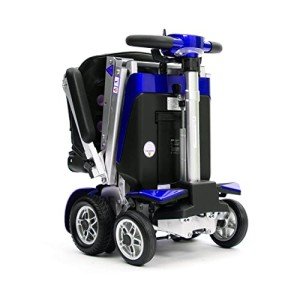
Travel Scooters
- Pros: Portable and easy to disassemble for transportation.
- Cons: May have restricted variety and speed.
- Best For: Users who take a trip often or reside in apartment or condos.
-
Strong Scooters
- Pros: Built to support greater weight capacities and more robust usage.
- Cons: Larger and much heavier, making them less portable.
- Best For: Users with higher body weights or those who require a more resilient choice.
-
Standing Scooters
- Pros: Provide an option to sitting, which can be useful for those who experience pain from prolonged sitting.
- Cons: May not be suitable for cross countries or extended use.
- Best For: Users who choose standing however still need assistance.
Key Features to Consider
When searching for a mobility scooter, a number of features should be thought about to ensure it satisfies your specific needs:
-
Battery Life and Range
- Range: How far the scooter can take a trip on a single charge.
- Battery Type: Lithium-ion batteries are normally more effective and longer-lasting than lead-acid batteries.
-
Speed
- Indoor Speed: Typically lower, around 4-6 miles per hour.
- Outdoor Speed: Can be greater, approximately 10-15 mph, depending upon the design.
-
Weight Capacity
- Basic: 250-300 pounds.
- Heavy Duty: 400-500 pounds or more.
-
Turning Radius
- Important for: Navigating tight spaces and corners.
- Three-Wheel Scooters: Generally have a smaller sized turning radius.
-
Seating and Comfort
- Adjustable Seat: Ensure the seat is comfy and can be changed to your height and weight.
- Cushioning: Look for scooters with padded seats and back-rests for added comfort.
-
Mobility
- Travel Scooters: Designed to be dismantled for easy transport.
- Light-weight Models: Easier to move and store.
-
Security Features
- Brakes: Ensure the scooter has dependable braking systems.
- Lights and Reflectors: Important for exposure, specifically in low-light conditions.
- Horn: Useful for alerting others when necessary.
-
Controls
- Ease of Use: Look for user-friendly controls that are simple to operate.
- Adjustable Handlebars: Ensure a comfy grip and reach.
-
Storage and Accessories
- Baskets or Compartments: Useful for carrying groceries or personal products.
- Cup Holders: Convenient for keeping beverages within reach.
Where to Buy Mobility Scooters
-
Online Retailers
- Amazon: Offers a large variety of mobility scooters from numerous brand names.
- Ebay: Known for competitive pricing and a range of used and new scooters.
- Wayfair: Provides a choice of mobility scooters along with home health and mobility aids.
-
Specialty Mobility Stores
- Local Mobility Dealers: Often provide personalized service, funding options, and guarantee assistance.
- National Chains: Such as The Mobility Store and Pulse Mobility, which have a wide variety of services and products.
-
Medical Supply Stores
- In-Store and Online: Many medical supply stores use mobility scooters and associated accessories.
- Insurance coverage Coverage: Some stores can help you browse insurance coverage alternatives to cover part of the expense.
-
Neighborhood Resources
- Local Disability Services: May have information on leasing programs or discounts.
- Senior Centers: Sometimes use mobility scooters for sale (Https://git.jaronnie.Com/best-rated-mobility-scooter2231) or leasing.
FAQs
Q: Are mobility scooters covered by insurance coverage?A: Some insurance coverage strategies, including Medicare, might cover the expense of a mobility scooter under certain conditions. It’s crucial to contact your insurance coverage company to comprehend what is covered and any required documentation.
Q: How do I preserve my mobility scooter?A: Regular maintenance is important to keep your scooter running efficiently. This consists of:
- Charging the Battery: Follow the manufacturer’s guidelines for charging.
- Inspecting Tires: Ensure tires are appropriately pumped up and in good condition.
- Oiling Moving Parts: Periodically lube the chain and other moving parts.
- Cleaning: Keep the scooter tidy and dry to prevent rust and wear.
Q: What are the legal requirements for using a mobility scooter?A: Legal requirements vary by place. Typically, mobility scooters are categorized as mobility help and do not require a license to operate. However, it’s essential to:
- Check Local Regulations: Some locations might have particular guidelines relating to where and how mobility scooters can be utilized.
- Register the Scooter: In some areas, registration may be needed, especially if the scooter is utilized on public roadways.
Q: How do I select the ideal mobility scooter for my needs?A: Consider the following:
- Intended Use: Will you be using the scooter primarily inside your home, outdoors, or both?
- Weight and Height: Ensure the scooter can support your weight and is adjustable to your height.
- Mobility Level: Choose a scooter that matches your level of mobility and any physical restrictions.
- Spending plan: Determine just how much you are ready to invest and try to find models that provide the best value.
Q: Are there any security tips for utilizing a mobility scooter?A: Yes, here are some safety tips:
- Wear a Helmet: Especially if you are using the scooter on public roadways.
- Usage Reflective Gear: Increase visibility during low-light conditions.
- Follow Traffic Rules: Obey traffic signals and signs, and utilize designated courses when offered.
- Regular Check-ups: Have your scooter examined and maintained by an expert frequently.
Selecting the right mobility scooter can be a life-altering decision, providing the freedom and independence to browse the world with ease. By comprehending the various types of scooters, key functions, and where to buy, you can make an educated choice that best matches your requirements. Whether you are navigating the aisles of your local supermarket or taking pleasure in a scenic park, a mobility scooter can boost your every day life and supply the assistance you need.
Extra Resources
- Customer Reports: Offers detailed evaluations and comparisons of various mobility scooters.
- National Mobility Equipment Dealers Association (NMEDA): Provides resources and information on mobility equipment and dealers.
- Disability Rights Organizations: Can provide guidance and support for individuals with mobility issues.
By taking the time to research study and think about all your choices, you can discover the perfect mobility scooter to assist you live your best life.


