

walking-frame0440
walking-frame0440
Responsible For The Rollator Walker Budget? 10 Amazing Ways To Spend Your Money
Rollator Walker Safety: A Comprehensive Guide
As individuals age or face mobility challenges due to illness or injury, maintaining independence typically becomes a top priority. Rollator walkers, offering both assistance and mobility, have become invaluable tools for lots of. However, while they use numerous benefits, ensuring safety while using a rollator walker is vital. This short article supplies thorough insights into rollator walker safety, including best practices, typical threats, and vital ideas for users and caretakers.
Comprehending Rollators
A rollator walker is a mobility gadget with wheels that allows people to stroll with the assistance of a frame. Unlike basic walkers, rollators typically feature:
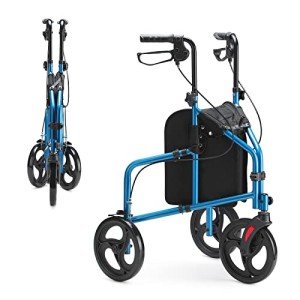
- Three or 4 wheels for easier maneuverability
- Hand brakes for stopping and managing speed
- A seat for resting when required
- Storage compartments for bring personal products
These functions make rollators suitable for both indoor and outdoor use, boosting the lifestyle for users by supplying a sense of self-reliance.
Benefits of Using Rollator Walkers
- Increased Mobility: Rollators can assist users in moving around safely and conveniently.
- Support and Stability: With a sturdy frame and brakes, they provide important support when standing or walking.
- Convenience: Many rollators featured cushioned seats, enabling users to rest as needed.
- Convenience: Integrated storage solutions can bring essential products, freeing hands for better balance.
Typical Hazards Associated with Rollator Walkers
While rollators can enhance mobility and safety, they can likewise pose threats. Users need to understand potential threats to lessen mishaps:
- Uneven Surfaces: Rollators might topple if utilized on uneven or sloped surface.
- Braking Issues: Failing to engage the brakes sufficiently can lead to falls.
- Excess Weight: Overloading the storage compartments can affect stability.
- Inappropriate Use: Not using the rollator as meant can lead to accidents.
- Poor Maintenance: Neglecting routine examine wheels and brakes could cause failure throughout use.
Rollator Walker Safety Tips
To improve safety while utilizing rollator walkers, think about the following suggestions:
1. Appropriate Fit and Adjustment
- Height Adjustment: Ensure that the handle height is set to the user’s wrist level when standing upright. A proper fit encourages better posture and control.
- Seat Height: If the rollator has a seat, guarantee it’s comfy and accessible for resting.
2. Regular Maintenance
- Inspect Brakes: Make sure hand brakes are working effectively. Change or replace them if required.
- Inspect Wheels: Regularly check wheels for wear and tear, and ensure they spin freely.
- Take a look at Frame: Check for loose screws or fractures in the frame to ensure it remains sturdy.
| Upkeep Task | Frequency |
|---|---|
| Brake check | Weekly |
| Wheel inspection | Monthly |
| Frame assessment | Month-to-month |
3. Environment Awareness
- Clear Pathways: Keep living spaces devoid of mess and obstacles that may present a tripping hazard.
- Lighting: Ensure that areas are well-lit to avoid bad moves, especially throughout evening hours.
- Prevent Slippery Floors: Be careful on wet or waxed floors, as they can cause falls.
4. Safe Walking Techniques
- Engage Brakes When Stopping: Always engage brakes before sitting or while resting.
- Use Proper Walking Technique: Move gradually and preserve a consistent speed, taking steps that match the rollator’s width.
- Balance While Turning: Turn carefully, using the rollator for assistance as required.
5. Look for Assistance
- Include Caregivers: Encourage family members or caregivers to help in navigating tough terrains or situations.
- Take Advantage of Community Resources: Many neighborhoods use mobility training for those utilizing walk-assisting gadgets.
Frequently Asked Questions about Rollator Walker Safety
Q1: How do I pick the right rollator walker?
When choosing a rollator, consider the user’s weight, height, and meant use. It’s likewise necessary to examine for functions such as hand brake effectiveness and wheel size, which can impact maneuverability.
Q2: Can I use a rollator walker on unequal surface areas?
While rollators can manage a variety of terrains, it is best to avoid high inclines, gravel, or cobblestones, as these can be hazardous. Stick to flat, smooth surfaces whenever possible.
Q3: How can I avoid falls while using a rollator?
Engaging the brakes when sitting, keeping paths clear, changing your rollator for the right height, and being mindful of your surroundings can significantly decrease the threat of falls.
Q4: Are all rollator walkers the very same?
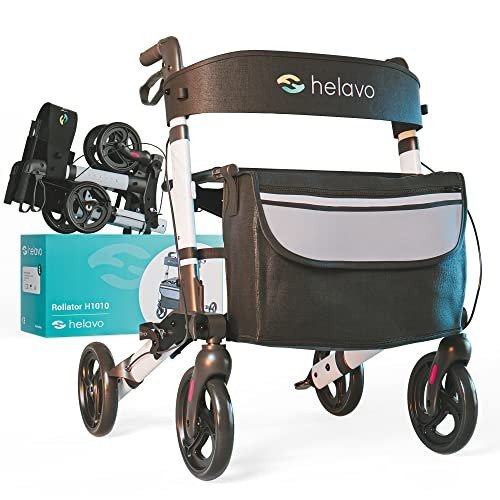
No, rollators can be found in various types and sizes, designed for numerous requirements. Some may have additional devices like baskets, while others are lightweight or function a greater weight capacity.
Q5: Is it safe to bring bags on a rollator?
Always bear in mind the weight limit and distribution of the load. Use the rollator’s designated storage services and prevent overloading it.
Rollator walkers are invaluable gadgets that improve mobility and promote independence for users facing mobility difficulties. However, ensuring safety while utilizing these gadgets is crucial. By comprehending prospective risks, adhering to safe practices, and maintaining the walker routinely, users can enjoy the benefits of their rollator with decreased risk. Ultimately, the objective is to help with confidence and stability, making it possible for people to browse their world with security and ease. As care service providers, household members, and communities prioritize safety, they empower users towards a better, more independent quality of life.


