

gutter-downpipes6571
gutter-downpipes6571
Five Killer Quora Answers To Drainage
Understanding the Importance of Effective Drainage Systems
Drainage systems play an essential function in handling water circulation and preventing damage from excess water build-up. Whether in suburbs or industrial websites, effective drainage is essential for preserving structural stability and ensuring environmental protection. This post digs into the different types of drainage systems, their functions, and the significance of correct drainage management.
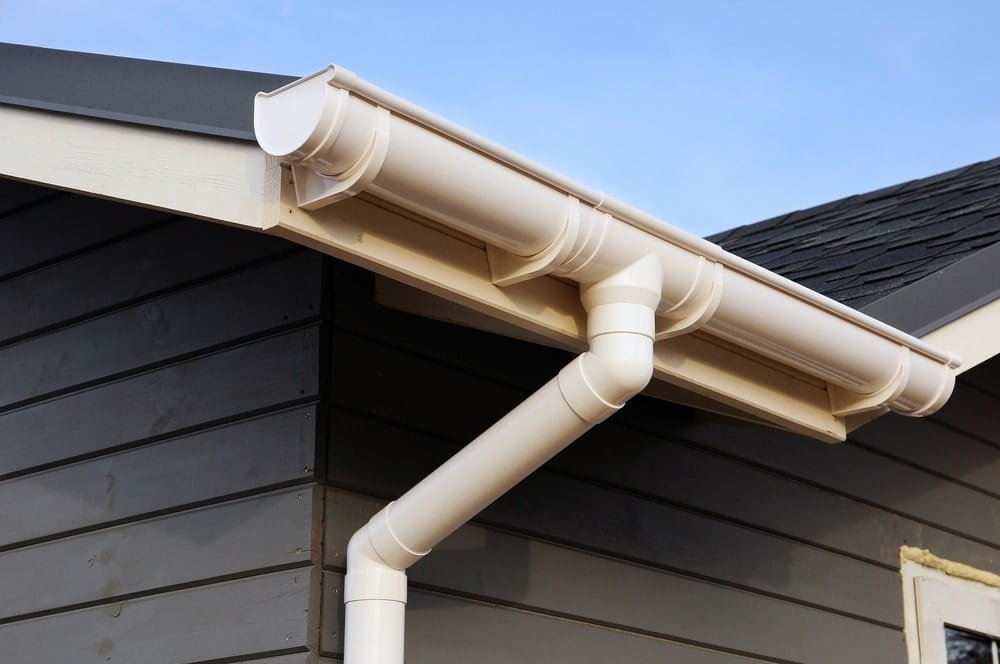
What is Drainage?
Drainage describes the procedure of eliminating excess water from a particular location, successfully rerouting it to stated water is handled either on or off-site. This procedure is necessary to avoid waterlogging, surface area runoff, and erosion, which can cause considerable damage to property and the environment.
Types of Drainage Systems
The adequacy of drainage systems mainly depends on their design and the specific requirements of the area they serve. The following are the primary types of drainage systems:
| Type of Drainage | Description | Common Uses |
|---|---|---|
| Surface area Drainage | Manages water that flows over the surface area of the land | Agricultural fields, lawns, streets |
| Subsurface Drainage | Reroutes water lying listed below the ground surface area | Agricultural land, golf courses, sports fields |
| Stormwater Drainage | Handles water from rainfall occasions | Urban locations, parking lots, roadways |
| Wastewater Drainage | Removes wastewater from residential and industrial locations | Urban sewer system |
| French Drains | A trench filled with gravel or rock that reroutes water | Basements, structure boundary, yards, and landscapes |
Importance of Drainage Systems
Efficient drainage systems are essential for several factors:
-
Prevention of Water Damage: Proper drainage prevents water from pooling around structures, which can weaken structures and result in pricey repairs.
-
Flood Mitigation: Well-designed systems can substantially lower the threat of flooding, protecting both property and human life.
-
Erosion Control: By managing water flow, drainage systems protect surfaces and keep soil stability, avoiding disintegration that can cause land loss.
-
Water Quality: Effective drainage helps filter out toxins by directing excess water through treatment systems before it returns to natural water bodies.
-
Floodplain Management: Proper drainage systems can help manage floodplains and improve flood reaction strategies, particularly in metropolitan locations.
Drainage System Planning and Design
Developing an effective drainage system needs careful planning and style. Here are key factors to consider:
-
Site Assessment: Understanding topography, soil types, and existing water flow patterns is essential for optimum drainage style.
-
Regulative Compliance: Ensuring adherence to local policies and ecological guidelines is crucial for legitimacy and sustainability.
-
System Selection: Choosing the ideal kind of drainage system based upon particular needs and website conditions is important.
-
Maintenance Plan: Developing a routine maintenance strategy helps make sure that drainage systems stay functional with time.
Secret Components of Drainage Systems
To create an efficient drainage system, a number of components require to be considered:
-
Catch Basins: These are used to gather surface water overflow and sediment, directing it into the drainage system.
-
Pipes: Various pipeline products (plastic, concrete, metal) may be utilized to transport water through the drainage system.
-
Drainage Ditches: These are open channels that can efficiently carry water away from an area.
-
Retention Ponds: Used in metropolitan areas to collect stormwater and permit for gradual absorption or release.
-
Grading: The land’s slope requires to be created to direct water flow away from structures and toward drainage (http://git.yang800.cn/) outlets.
Maintenance of Drainage Systems
Regular maintenance is essential to making sure the durability and performance of drainage systems. Activities include:
-
Clearing Debris: Regularly eliminating leaves, mud, and other debris from drains and capture basins.
-
Examining Pipes: Periodic examinations to recognize cracks, blockages, or misalignments in pipes.
-
Handling Vegetation: Overgrown plants near drainage systems can inhibit water flow; for that reason, regular trimming and removal is necessary.
-
Testing for Erosion: Monitoring the surrounding areas for any indications of disintegration and enhancing susceptible spots.
Regularly Asked Questions (FAQs)
Q1: How often should I maintain my drainage system?
A: It is advised to inspect and preserve drainage systems at least two times a year, more often if you reside in a location vulnerable to heavy rains or flooding.
Q2: What are typical indications that my drainage system is failing?
A: Common signs include water pooling around the structure, an increase in insect populations (like mosquitoes), undesirable odors, and visible blockages.
Q3: Can I set up a drainage system myself?
A: While some property owners might choose DIY installation, it is frequently best to consult a professional for appropriate evaluation and prospective issues, particularly for considerable drainage systems.
Q4: What products are commonly used in drainage systems?
A: Drainage systems often use plastic (PVC), concrete, metal, and perforated piping, depending on the type of system and local guidelines.
Q5: What are French drains and their benefits?
A: French drains are trenches filled with gravel or rock that redirect surface area and groundwater away from a location, avoiding water build-up and flooding.
The significance of efficient drainage systems can not be overemphasized. They safeguard homes from flooding, reduce erosion, and maintain water quality. Appropriate preparation, style, and maintenance make sure durability and performance. As urbanization continues to rise, understanding and implementing drainage methods becomes increasingly vital to protecting environments and communities. By prioritizing drainage management, people and neighborhoods can much better prepare for unpredictable weather patterns and secure their investments from water-related damages.


