

guttering-near-me9665
guttering-near-me9665
The 3 Greatest Moments In Residential Gutters History

Understanding Residential Gutters: Importance, Types, Maintenance, and FAQs
Residential gutters play a vital function in protecting homes from undesirable water damage. They are typically ignored, however their proper installation and maintenance are essential for keeping the structural integrity of a house. This post looks into the significance of gutters, their different types, maintenance pointers, and often asked questions to provide property owners with a thorough guide to managing their gutter systems.
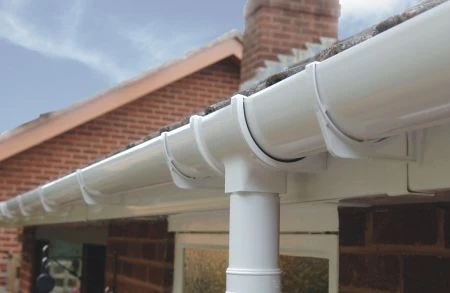
The Importance of Residential Gutters
The primary function of residential gutters is to direct rainwater far from the foundation of a house, avoiding prospective problems such as:
- Foundation Damage: Water pooling around the structure can lead to disintegration and structural weak point.
- Basement Flooding: If water is not diverted away, it can seep into the basement, leading to expensive repairs.
- Roof Damage: Clogged gutters can lead to water overflow, which can damage the roof and associated structures.
- Landscaping Erosion: Directing water towards landscaping can trigger unwanted disintegration and soil displacement.
- Pest Infestations: Standing water in clogged gutters can bring in insects such as mosquitoes and rodents.
Understanding these threats highlights the value of appropriate gutter installation and maintenance.
Types of Residential Gutters
There are numerous types of gutters, and homeowners must choose the one that best fits their property’s requirements. Below are the most common types:
| Gutter Type | Description | Pros | Cons |
|---|---|---|---|
| K-Style Gutters | The most typical type, with a flat bottom and an ornamental shape. | Wide capability, aesthetically pleasing | Prone to blocking if not preserved |
| Half-Round Gutters | Semi-circular and typically found in historic homes. | Standard style, less susceptible to blocking | Restricted capacity |
| Box Gutters | Developed into the roof structure, permitting more design versatility. | Seamless look, higher capability | Can be costly to set up |
| Seamless Gutters | Customized cut on-site, lessening leakages and needing less maintenance. | Fewer leaks, low maintenance | Higher initial expense |
| Fascia Gutters | Attached to the fascia board, offering a clean look while effectively managing rainwater. | Smooth design, reliable water flow | Installation may be intricate |
Selecting the Right Gutter Type
- Visual Appeal: Consider how the gutter type fits the architectural design of the home.
- Climate: Areas with heavy rain or snow might need a gutter with a bigger capability.
- Spending plan: Weigh the initial installation cost versus long-lasting maintenance needs.
Gutter Maintenance Tips
Preserving gutters is vital to guaranteeing their longevity and efficiency. Here are some important maintenance ideas for property owners:
Regular Cleaning
- Frequency: Clean gutters a minimum of two times a year, preferably in spring and fall.
- Tools Required: Ladder, gloves, scoop, and a tube.
Examine for Damage
- Examine for Rust or Holes: Look for indications of wear, especially in metal gutters.
- Secure Hangers: Ensure all brackets and wall mounts are firmly connected to maintain proper alignment.
Set up Guards
Consider gutter guards to decrease debris accumulation and reduce the frequency of cleaning. Types of guards include:
- Mesh Screens
- Hooded Guards
- Reverse Curve Systems
Seasonal Checks
- Winter Preparation: Inspect and clear gutters before winter to avoid ice dams.
- Post-Storm Inspection: Check for clogs or damage after heavy storms or high winds.
Professional Inspections
- Arrange periodic examinations with a professional to address hard-to-reach locations and complicated repairs.
FAQs About Residential Gutters
1. How do I know if my gutters require cleaning?
Indicators consist of visible debris, water overflow, and drooping or removed gutters. Routinely inspecting gutters throughout rain can likewise assist recognize problems.
2. What is the typical lifespan of residential gutters?
Most gutters last between 20 to 50 years, depending upon the product. Aluminum and vinyl gutters have longer life expectancies compared to wooden gutters.
3. Can I set up gutters myself?
While DIY installation is possible, professional installation makes sure proper alignment and decreases the risk of leakages and other issues.
4. What happens if I do not keep my gutters?
Overlook can cause substantial water damage, resulting in expensive repairs for the foundation, roof, and basement. It can also promote insect infestations.
5. Is it needed to utilize gutter guards?
While not required, gutter guards can significantly decrease particles buildup, making gutter maintenance much easier and less frequent.
Residential gutters are vital systems that safeguard homes from water damage. Understanding their value, types, maintenance requirements, and possible problems can empower property owners to make educated decisions. Whether it’s through regular cleaning, examinations, or installation of the appropriate gutters, proactive procedures can preserve a home’s value and enhance its toughness. With persistent maintenance, house owners can feel confident that their gutters will efficiently handle rainwater, securing their residential or commercial property for years to come.


