

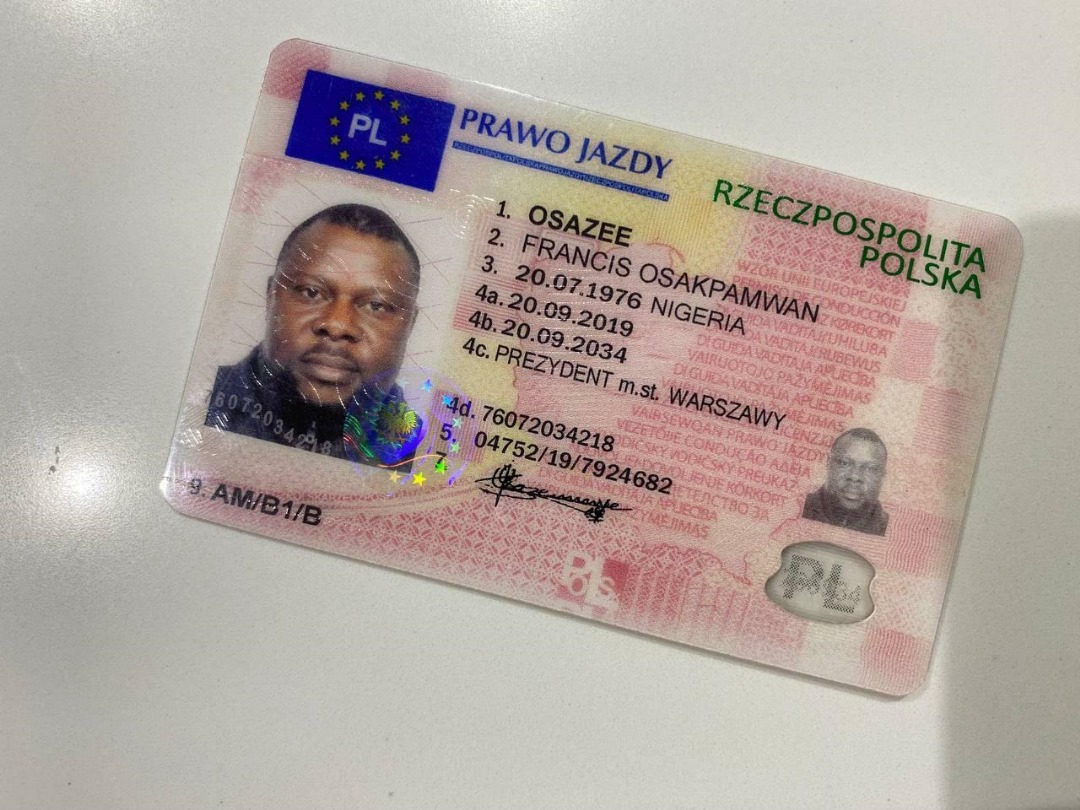
prawojazdy-b6101
prawojazdy-b6101
Where To Research Driving Licenses B Online
Understanding Driving Licenses: Types, Requirements, and Frequently Asked Questions
Driving is a basic aspect of modern life, and obtaining a driving license is a critical milestone for lots of people. This article explores the different kinds of driving licenses available, the requirements to get them, and responses commonly asked concerns connected to the topic. An educated perspective on driving licenses can assist people comprehend the importance of selecting the right kind of license to satisfy their needs.
Types of Driving Licenses
Driving licenses can vary between countries and areas, however they generally fall under a number of significant categories. The following table sums up the most common types of driving licenses, including their functions and common restrictions.
| Type of License | Description | Common Restrictions | Eligibility Age |
|---|---|---|---|
| Learner’s Permit | Permits beginner drivers to practice. | Need to drive with a licensed grownup. | 16-18 years of ages |
| Class C License | Standard license for passenger automobiles. | No restriction on variety of passengers. | 18 years or older |
| Class A License | Commercial license for large lorries. | Should adhere to stricter policies. | 21 years or older |
| Class B License | For driving buses and larger cars. | May require special endorsements. | 21 years or older |
| Motorbike License | For running motorbikes. | Must use a helmet; varies by state. | 16-18 years old |
| International License | Enables legal driving in foreign countries. | Must possess a valid domestic license. | 18 years or older |
Student’s Permit
The learner’s license is the initial step for many individuals venturing into the world of driving. This authorization allows amateur motorists to practice driving under supervised conditions, typically needing a licensed adult over a certain age to accompany them in the automobile.
Class C License
The Class C license is the most typically held driving license, allowing individuals to run standard passenger automobiles. This license normally has actually less constraints compared to other categories.
Class A and B Licenses
Class A and B licenses are necessary for szkoła nauki jazdy wyszków – Visit Web Page, running commercial cars. These licenses need unique training and screening, guaranteeing that motorists are geared up with the abilities required for steering larger and more intricate cars safely.
Motorbike License
People thinking about riding motorbikes must get a bike license, which can need extra training and testing. Safety equipment, such as helmets, is often mandated by law.
International License
A global driving license allows individuals to drive in foreign nations, however it is crucial to have a valid domestic driving license in combination with the international license.
Requirements to Obtain a Driving License
The requirements for getting a driving license can differ significantly by jurisdiction. Nevertheless, there are typical steps and requirements that many candidates will experience. Below is a list of general requirements:
-
Age Requirement:
- Minimum age varies; student’s permits are often provided at 16, while full licenses may require candidates to be 18 or older.
-
Vision Test:
- Most jurisdictions require candidates to pass a vision test to ensure safe driving capabilities.
-
Written Test:
- New chauffeurs must pass a composed exam that covers traffic laws, roadway signs, and safe driving practices.
-
Driving Test:
- Practical driving tests are conducted to show an applicant’s ability to run an automobile securely under numerous conditions.
-
Costs:
- Payment of application and screening charges is usually required.
-
Proof of Identity:
- Applicants need to offer valid recognition, such as a passport or birth certificate, together with proof of residency.
-
Adult Consent (for minors):
- Parental or guardian authorization is typically needed for candidates under the age of 18.
Comprehending the various kinds of driving licenses and their associated requirements is crucial for anyone wanting to drive legally and safely. Each license serves a distinct purpose, dealing with different driving requirements, from basic automobiles to industrial transportation and motorcycles. By meeting the needed requirements and sticking to policies, aiming motorists can take pleasure in the freedom of driving while guaranteeing their safety and the security of others.
Frequently Asked Questions (FAQs)
-
What do I need to bring when requesting a driving license?
- You usually require to supply identification, evidence of residency, and any essential application costs. Talk to your regional DMV or licensing authority for particular requirements.
-
How long does it require to get a driving license?
- The timeline can vary based upon private scenarios, such as how quickly one can finish the needed tests, and whether there is a stockpile at the licensing authority.
-
Can I drive with a student’s permit?
- Yes, but you must be accompanied by a certified motorist and abide by constraints set by your local laws.
-
What happens if I stop working the driving test?
- You usually have the choice to retake the test after a designated waiting period, which varies by jurisdiction.
-
Is it necessary to take a driving course?
- While not always obligatory, taking a motorist’s education course can be helpful and is frequently needed for individuals seeking a learner’s permit.
By being notified about the kinds of licenses readily available, the requirements necessary for acquiring one, and the associated guidelines, potential chauffeurs can browse the process of obtaining a driving license with self-confidence.


